 English
 Deutsch
 Français
 Nederlands
 العربية
 Polski
 Español
 Ελληνικά
 Українська
 Čeština
 Română
 Italiano

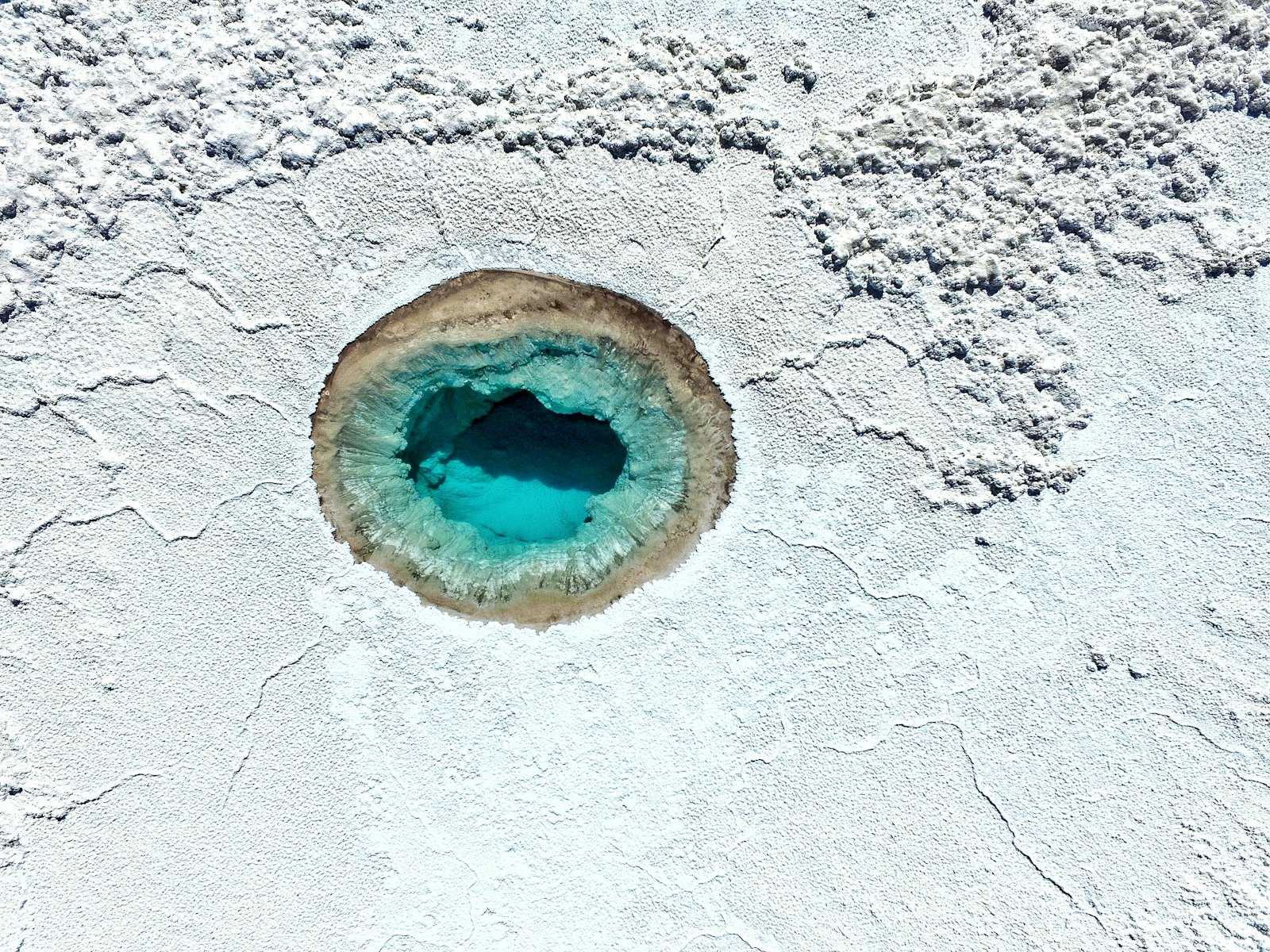
Most water picks up calcium and magnesium as it passes through rock. The more of these minerals it carries, the harder it is. You do not taste them, but you see them: white scale in kettles, spots on glasses, stiff towels, and limescale that slowly chokes pipes, boilers and heating elements.
Why hard water costs money
- Energy: scale insulates heating elements, so water heaters work harder for the same result.
- Equipment life: valves, pumps, coffee machines and dishwashers wear out sooner.
- Cleaning: more detergent and more time to remove spots and film.
How a water softener works
A softener passes water through a bed of resin beads. The beads hold sodium and swap it for the calcium and magnesium in the water, so soft water comes out of the tap. When the beads are full of hardness minerals, the softener regenerates: it rinses the resin with brine made from salt, which pushes the minerals out and recharges the beads with sodium.
Where salt comes in
The salt never touches your drinking water directly; it makes the brine that recharges the resin. That is why purity matters. Clean, high-NaCl salt dissolves completely and keeps the brine tank clear. Salt with impurities leaves sludge behind, which is the start of most softener problems.
Choosing the right salt
- Tablets suit most household and commercial softeners.
- Blocks are made for block-salt softeners.
- Granular salt suits units and industrial plants that take loose salt.
All Seaman Salt water-softener products are tested to EN 973, the European standard for salt used in drinking-water treatment. Ask us which format fits your market.


No comment